The 12 Essential Kitchen Tools Every Home Cook Actually Needs
The Truth About Kitchen Gadgets
Walk through any kitchen store and you'll find hundreds of single-use gadgets—avocado slicers, egg separators, garlic presses, strawberry hullers. Here's the honest truth: most of these are waste of money and counter space.
What you actually need is a small collection of versatile, well-made tools that work together. This guide covers the 12 essentials that handle 95% of what any home cook will ever make.
The 12 Essentials
1. Chef's Knife (8-10 inches)
Your most important tool. A quality 8-inch chef's knife handles 80% of cutting tasks. Look for a comfortable weight and balance point that feels natural in your hand.
**What to buy:**
2. Paring Knife (3-4 inches)
The nimble little knife for detailed work—peeling apples, deveining shrimp, hulling strawberries, precision trimming.
3. Cutting Board
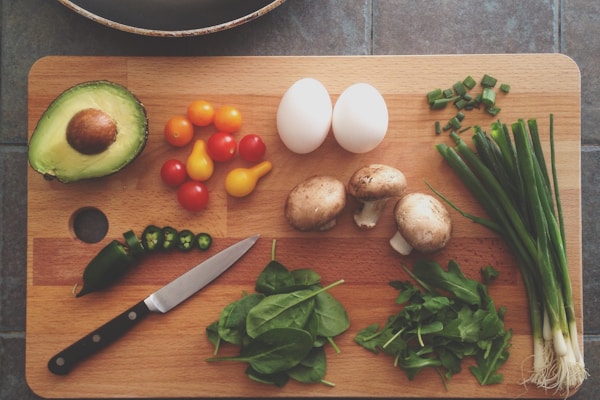
Wood or plastic? Both work. Wood is gentler on knives and naturally antibacterial. Plastic is dishwasher safe. Get at least one large board (at least 15x20 inches) and consider a second for raw meat.
4. Wooden Spoons (2-3)
The workhorses of any kitchen. Wood won't scratch cookware, won't conduct heat to your hand, and won't react with acidic foods. Buy solid hardwood—not laminated plywood which can split.
5. Silicone Spatula (Heat-Resistant)
A good silicone spatula handles temperatures up to 600°F. Perfect for scraping bowls clean, stirring hot sauces, and working in nonstick pans. Look for one with a sturdy stainless steel core.
6. Metal Turner (Fish Spatula)
The thin, flexible metal turner slides under delicate fish, eggs, and pancakes with ease. It's also excellent for sautéing and flipping.
7. Slotted Spoon
For retrieving pasta from boiling water, fishing vegetables from stock, skimming foam from soups. The slots drain quickly and let you see what you're grabbing.
8. Tongs (12-inch)
The extension of your hand. Tongs toss salads, turn meat in a hot pan, pull pasta from water, and reach into the oven. Locking mechanism and comfortable grip are must-haves.
9. Whisk
For beating eggs, emulsifying dressings, whipping cream, and smoothing sauces. A balloon whisk with stainless steel wires holds its shape well.
10. Ladle (3-4 ounce)
For serving soups, stews, and sauces. The most versatile size is 3-4 ounces—big enough for hearty dishes, small enough for precise portions.
11. Pasta Fork or Spider Strainer
The curved fork retrieves pasta beautifully. A spider strainer (ultra-fine mesh) works for pasta, quinoa, peas, and more.
12. Instant Read Thermometer
This single tool prevents more overcooked chicken and undercooked pork than anything else. Digital instant read thermometers are affordable and essential.
The Ones Worth Upgrading
Not all tools are created equal. Invest in quality versions of these:
1. **Chef's Knife** — You'll use this daily for years
2. **Cutting Board** — Needs to be large enough and properly maintained
3. **Tongs** — Cheap ones break; good ones last forever
Budget vs Premium: When to Spend
**Worth the investment:**
**Budget is fine:**
Material Considerations
Wood
Silicone
Stainless Steel
Bamboo (Sustainability Option)
The 2026 Trend: Sustainable Materials
This year, sustainable materials are having a moment. Wooden utensils from responsibly harvested wood, bamboo options, and even recycled silicone are gaining popularity. These often outperform plastic counterparts in durability and are better for the environment.
Building Your Collection Over Time
You don't need to buy everything at once. Start with:
1. Chef's knife + cutting board (your first priority)
2. Wooden spoon + silicone spatula (basic stirring)
3. Tongs + instant read thermometer (cooking confidence)
Add tools as you identify gaps in your cooking style.
Care and Maintenance
A few simple habits extend tool life indefinitely:
The Bottom Line
Quality over quantity. Twelve well-chosen tools serve you better than a drawer full of single-use gadgets. Invest in solid construction, proper materials, and comfortable ergonomics—and they'll last a lifetime.