Grilling Mastery: The Complete Beginner's Guide to Perfect Grilling
Why Grilling Is Worth Mastering in 2026
Grilling is more than just a cooking method—it's a way of life. The smoky aromas drifting through neighborhoods on summer evenings, the satisfaction of flipping a perfectly charred burger, the joy of gathering around flame-cooked food with friends and family. These are the moments that define the cooking season.
But achieving grill mastery is about more than just throwing food over fire. It requires understanding heat, timing, and technique. This guide covers everything you need to go from grill novice to backyard barbecue hero.
Understanding Your Grill
Before you cook, know your equipment. The two main grill types work differently:
Gas Grills: Convenience King
Gas grills offer precise temperature control and quick startup. Just turn the knob, wait a few minutes, and you're ready to cook.
**Advantages:**
**Disadvantages:**
Charcoal Grills: Flavor Champion
Charcoal grills produce the authentic smoky flavor that gas simply can't match. The higher heat also creates better sear marks.
**Advantages:**
**Disadvantages:**
Pellet Grills: The Best of Both Worlds
Pellet grills combine wood smoke flavor with gas grill convenience. They use automated systems to maintain temperature.
**Advantages:**
**Disadvantages:**
The Foundation: Fire Management
Great grilling starts with understanding fire. Temperature control is the key to consistent results.
Understanding Heat Zones
Create at least two heat zones on your grill:
**Hot Zone (Direct Heat):**
**Medium Zone (Indirect Heat):**
**Cool Zone (Safety Zone):**
The Hand Test
Hold your hand 5 inches above the grate and count seconds:
Essential Grilling Techniques
1. Direct Grilling
Best for: Burgers, steaks, chops, vegetables, seafood
**Method:**
1. Preheat grill to high heat
2. Place food on grate perpendicular to grates (prevents sticking)
3. Cook with lid closed for maximum heat
4. Flip once halfway through cooking time
5. Season generously—grilling requires bold flavors
**The Flip Rule:** Only flip food once. Moving food too often prevents proper browning and can cause sticking.
2. Indirect Grilling
Best for: Whole chickens, roasts, ribs, large cuts
**Method:**
1. Set up two-zone fire (coals on one side)
2. Place food on the cooler side of the grill
3. Cook with lid closed
4. Rotate food halfway through for even cooking
5. Use a meat thermometer for precise doneness
3. Smoking (Low and Slow)
Best for: Brisket, pork shoulder, ribs, pulled pork
**Method:**
1. Maintain temperature between 200-275°F
2. Use wood chunks or chips for smoke flavor
3. Cook for hours—low and slow breaks down collagen
4. Wrap in butcher paper (texas crutch) when internal temp reaches 160°F
5. Rest meat for at least 30 minutes before cutting
The Art of Seasoning
Salt Early, Season Often
**For steaks:**
**For chicken:**
**For burgers:**
The Flavor Boosters
**Before Grilling:**
**During Grilling:**
**After Grilling:**
The Perfect Guide to Grilling Proteins
Steaks
**Doneness temperatures:**
**Method:**
1. Remove from refrigerator 30 minutes before
2. Pat completely dry
3. Season generously with salt
4. High heat, 3-4 minutes per side for 1-inch steak
5. Rest 5 minutes before cutting
**Best for Grilling:** Ribeye, NY Strip, Porterhouse, Sirloin
Burgers
**Method:**
1. Use 80/20 ground beef for optimal juiciness
2. Form loose patties—don't pack tightly
3. Create a slight indent in center (puffs up during cooking)
4. Season heavily with salt and pepper
5. Grill 4-5 minutes per side for medium
6. Toast buns on grill for last minute
Chicken
**Safety First:** Always cook chicken to 165°F internal temperature.
**Method:**
**Pro tip:** Brine chicken for 30 minutes before grilling for extra juicy meat.
Pork
**Temperatures:**
Seafood
**Fish:**
**Shrimp:**
**Shellfish:**
Vegetables on the Grill
Grilled vegetables develop incredible flavor that roasting can't match. The char adds smokiness while the high heat caramelizes sugars.
**Best for Direct Grilling:**
**Best for Indirect:**
**Pro tip:** Toss vegetables in oil and season before grilling. Use a grill basket for smaller items.
Common Grilling Mistakes to Avoid
1. Not Preheating the Grill
A cold grill sticks. Always preheat for 10-15 minutes with the lid closed before adding food.
2. Opening the Lid Too Often
Every time you open the lid, you lose 10-15°F of heat. Keep it closed as much as possible.
3. Not Cleaning the Grate
A dirty grate causes sticking. Scrape with a grill brush after preheating, then oil the grate with a paper towel dipped in oil.
4. Pressing Down on Meat
Resist the urge to press your burgers or steaks. This squeezes out juices and creates steam instead of sear.
5. Skipping the Rest
Resting is essential. Cut too soon and all your flavorful juices run out onto the cutting board.
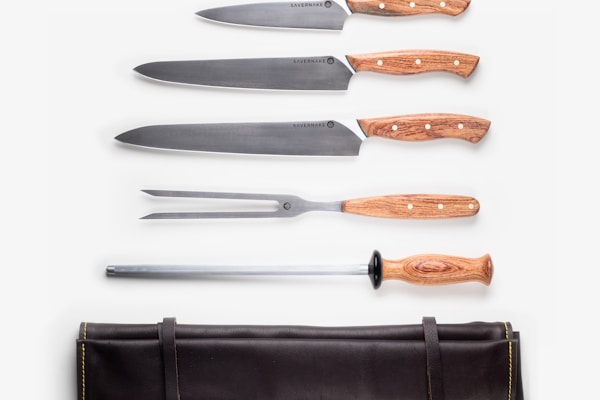
Essential Grilling Tools
A few key tools make grilling much more enjoyable:
Must-Have:
Nice-to-Have:
Grilling Safety
The Secret to Restaurant-Quality Results
1. Preheat Properly
Hot grill = clean sear = easy release. Wait until the grate is smoking hot.
2. Create the Crosshatch
Place food at a 45-degree angle to the grate. Flip 90 degrees after the first set of marks form. Result: beautiful crosshatch marks.
3. Let It Rest
The most overlooked step. Rest meat 5-10 minutes (longer for large cuts) before cutting. This allows juices to redistribute.
4. Season Generously
Grilling requires bold flavors. Under-seasoned food tastes flat over the smoke and char.
Conclusion
Grilling mastery comes from understanding the basics—knowing your equipment, managing your fire, and respecting the food. Start with the fundamentals, practice consistently, and soon you'll be the neighborhood's go-to grill master.
Remember: the best grill master isn't the one with the most expensive equipment—it's the one who pays attention and learns from every cookout.