6 Life-Changing Cooking Habits for 2026
Why Cooking Habits Matter More Than Recipes
Anyone can follow a recipe. But the cooks who consistently make great food—who cook with confidence and joy—have developed habits that support their success. These aren't complicated techniques or fancy equipment. They're simple practices that, when done consistently, transform your relationship with food.
This year, forget about complicated resolutions. Focus on these six achievable habits that will change how you cook forever.
The 6 Life-Changing Cooking Habits
1. Mise en Place: The Foundation of Stress-Free Cooking
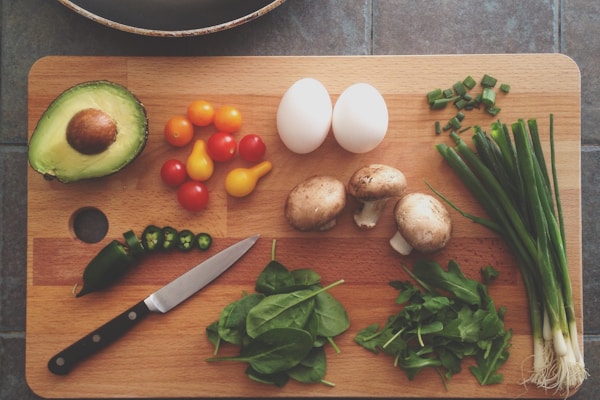
Mise en place (French for "everything in its place") is the practice of preparing and organizing all your ingredients before you start cooking. This means measuring spices, chopping vegetables, and having everything within arm's reach before you turn on the heat.
**Why it works:** Cooking becomes meditative instead of chaotic. You won't scramble to find ingredients mid-recipe. You won't realize you're missing a key component halfway through.
**How to start:**
**The payoff:** Once you try mise en place, you'll never go back. Cooking becomes more enjoyable, more precise, and far less stressful.
2. Taste as You Go: The Secret to Restaurant-Quality Food
Professional chefs taste their food constantly throughout the cooking process. Home cooks often wait until the dish is finished—and then wonder why it tastes flat.
**Why it works:** Flavors develop and change as you cook. A sauce that seems under-seasoned at the start may be perfectly seasoned by the end. Tasting along the way lets you adjust in real-time.
**How to start:**
**The payoff:** Your food will taste better. You'll understand how flavors build. You'll become a more intuitive, confident cook.
3. Cook Once, Eat Twice: The Meal Prep Mindset
This simple habit—making extra food intentionally—solves weeknight dinner chaos. When you cook, make enough for leftovers or plan to transform the base into a second meal.
**Why it works:** You get the effort of cooking once but the reward twice. Leftovers become delicious second meals instead of afterthoughts.
**How to start:**
**Easy transformation ideas:**
**The payoff:** Less time cooking, more variety, less "what's for dinner" stress.
4. The "Clean as You Go" Philosophy
This habit is the opposite of the "cook now, deal with the disaster later" approach. Clean as you go means wiping counters, washing pots, and putting away ingredients while your food cooks.
**Why it works:** A clean workspace makes cooking more enjoyable. It's easier to find what you need. And the end-of-meal cleanup becomes trivial instead of overwhelming.
**How to start:**
**The payoff:** You'll actually enjoy the cleanup. More importantly, you'll be more willing to cook when the kitchen isn't a disaster zone.
5. Embrace the "Good Enough" Mindset
Perfectionism is the enemy of progress. The habit of embracing "good enough" means accepting that home cooking doesn't need to match restaurant quality every night.
**Why it works:** When you demand perfection, cooking becomes stressful. The goal is nourishing yourself and your family—not Michelin stars.
**How to start:**
**The payoff:** You'll cook more often. You'll enjoy the process more. And yes—your skills will actually improve faster because you're practicing more.
6. Plan Your Protein, Build Around It
Successful home cooks often plan backwards: they decide on a protein, then build the rest of the meal around it. This simple framework makes meal planning dramatically easier.
**Why it works:** Protein is typically the most expensive and time-consuming component. Once that's decided, the rest falls into place naturally.
**How to start:**
**Easy framework:**
**The payoff:** Meal planning becomes simple. Grocery shopping becomes focused. Dinners become predictable yet varied.
Making These Habits Stick
Start Small
Don't try to implement all six at once. Pick ONE habit to focus on this month. Once it feels automatic, add another.
Stack Your Habits
Attach new habits to existing ones. "After I pour my morning coffee, I'll read the recipe for tonight's dinner." Small triggers create lasting patterns.
Track Your Progress
Keep a simple log. Note what you cooked, what worked, what you'd change. This builds awareness and momentum.
Be Patient
Research suggests it takes about 66 days to form a new habit. Don't expect perfection overnight. Consistency matters more than intensity.
The Bigger Picture
These habits aren't about becoming a "perfect" cook. They're about creating a sustainable, enjoyable cooking practice that nourishes your body and brings joy to your table.
When you mise en place, you cook more calmly. When you taste as you go, your food gets better. When you cook once and eat twice, you save time. When you clean as you go, you actually enjoy the process. When you embrace "good enough," you cook more often. When you plan your protein, meal stress disappears.
Small changes compound over time. This time next year, you'll look back and realize you've become the cook you've always wanted to be.