The Best Essential Cooking Ingredients: Build Your Flavor Foundation
Why Essential Ingredients Matter
Every great dish starts with a foundation of quality ingredients. You can have the best recipes, the sharpest knives, and the most advanced cookware—but if your pantry lacks the right building blocks, your cooking will fall flat.
The difference between bland and bold often comes down to having the right ingredients on hand. This guide covers the essential cooking ingredients that belong in every well-stocked kitchen, why they matter, and how to use them to transform your home cooking.
The Foundation: Oils and Fats
Extra Virgin Olive Oil
The workhorse of the kitchen. Use for salad dressings, finishing dishes, and low-to-medium heat cooking. Look for a high-quality brand with a harvest date on the bottle—oil is freshest within a year of pressing.
**Pro tip:** Keep a smaller "daily" bottle for cooking and a premium one for finishing. Heat degrades subtle flavors, so save your best olive oil for drizzling over finished dishes.
Neutral Cooking Oil
For high-heat cooking, you need an oil with a high smoke point. Avocado oil and grapeseed oil are excellent choices—they can handle searing, stir-frying, and roasting without burning or developing off-flavors.
**Why it matters:** Smoke point matters. When oil reaches its smoke point, it breaks down, creating harmful compounds and acrid flavors. Keep a high-smoke-point oil specifically for searing and frying.
Toasted Sesame Oil
A flavor powerhouse for Asian-inspired dishes. The toasting process creates an intense, nutty aroma that transforms simple stir-fries, soups, and marinades.
**How to use:** Add 1-2 teaspoons at the end of cooking to preserve its delicate flavor. Heat destroys the nuanced sesame notes.
The Flavor Builders: Aromatics
Onions
The starting point for nearly every cuisine. Onions form the "aromatic base" that builds depth in soups, stews, sauces, and more. Keep yellow onions for cooking and sweet onions for raw applications.
**The technique:** Always sauté onions until translucent before adding other ingredients. This releases their sugars and creates the foundation for complex flavor.
Garlic
The most universal flavor enhancer. A few cloves transform everything from pasta to roasted vegetables. Always use fresh garlic—pre-minced simply can't match the punch of freshly crushed cloves.
**Pro tip:** Let garlic cook for just 30 seconds after adding it to the pan before adding liquids. Raw garlic is harsh; overcooked garlic is bitter. The sweet spot is golden and fragrant.
Ginger
Essential for Asian cuisines and adds bright, warming flavor to countless dishes. Keep both fresh ginger and ground ginger in your pantry—each serves different purposes.
**Storage tip:** Fresh ginger lasts weeks in the refrigerator if wrapped tightly. For longer storage, freeze whole—grate directly from frozen without thawing.
The Seasoners: Salt and Pepper
Kosher Salt
The only salt most home cooks need. Diamond Crystal or Morton's kosher salt has flakes that are easy to pinch and distribute evenly. It seasons better than table salt because you can actually feel how much you're using.
**Why not table salt:** Table salt is denser—a teaspoon of table salt contains twice as much sodium as a teaspoon of kosher. When a recipe says "salt," it usually means kosher unless specified.
Black Peppercorns
Never buy pre-ground pepper. Whole peppercorns retain their volatile oils for years; ground pepper loses its punch in months. Invest in a quality grinder and refill with whole peppercorns.
**The difference:** Freshly cracked pepper has bright, complex flavor. The pre-ground version is dull and one-dimensional.
The Heat: Chili and Spices
Smoked Paprika
The secret weapon that adds depth, color, and a subtle smoky flavor to everything from eggs to chicken to roasted vegetables. Sweet paprika is fine, but smoked transforms dishes.
**Use it in:** Scrambled eggs, roasted potatoes, chicken wings, BBQ sauces, and anywhere you want color and warmth without intense heat.
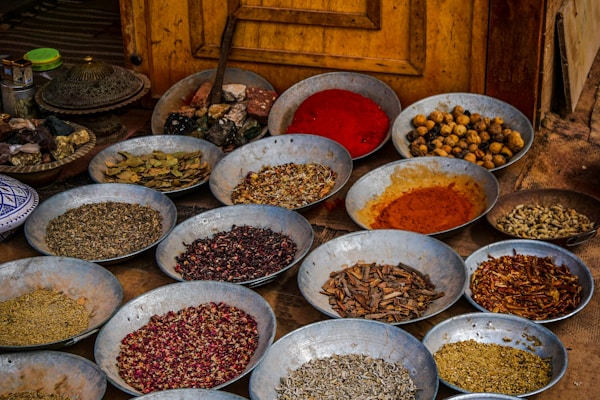
Cumin
The backbone of Mexican, Indian, and Middle Eastern cuisines. Cumin has an earthy, warm quality that's unmistakable. Buy whole seeds when possible—ground cumin loses potency faster.
**Toasting tip:** Dry-toast whole cumin seeds in a hot pan for 30 seconds before grinding. This releases oils and intensifies flavor dramatically.
Red Pepper Flakes
For controllable heat. Unlike cayenne (which is finely ground and potent), red pepper flakes let you add just a pinch or a shake. Keep one in your spice rack and one next to the stove for easy access.
Cayenne Pepper
For when you want serious heat. A little goes a long way—1/4 teaspoon adds noticeable kick to a pot of chili. Mix with other spices to build complex heat profiles.
Cinnamon
Yes, it's for baking—but cinnamon also works beautifully in savory dishes. Think Moroccan tagines, Mexican moles, Indian curries, and even tomato-based sauces.
The Acid: Brightness Builders
Lemon and Lime
Acidity balances richness and brightens flat dishes. Keep both lemons and limes on hand for squeezing over fish, chicken, salads, and cocktails.
**Pro tip:** A squeeze of lemon at the end of cooking can transform a dish from "good" to "great."
Vinegars
Different vinegars add different flavors:
The Sweet Balance: Balancing Flavor
Honey
The universal sweetener that also adds moisture and tenderness to baked goods. Keep a jar of local honey for both cooking and throat soothing.
Sugar
Whether you prefer granulated, brown, or coconut sugar, a sweet element balances acidic and spicy flavors in both savory and sweet dishes.
Maple Syrup
Not just for pancakes—maple syrup adds depth to marinades, glazes, and even salad dressings.
The Umami Boosters
Soy Sauce
The backbone of umami flavor in Asian cooking. Use low-sodium versions if you're watching salt, but remember that regular soy sauce adds more complex flavor.
Fish Sauce
A little goes a long way toward adding deep, savory richness to Thai dishes, soups, and even Western-style sauces.
Miso Paste
Fermented soybean paste that adds intense umami. White miso is milder; red miso is stronger. Mix into marinades, soups, or salad dressings.
Parmesan Cheese
The finishing cheese that adds umami punch to pasta, salads, soups, and pretty much anything. Always grate fresh—pre-grated doesn't compare.
Fresh Herbs Worth Keeping
Basil
The summer superstar for Italian and Thai dishes. Use fresh at the end of cooking or raw in salads.
Cilantro
Love it or hate it—essential for Mexican, Thai, and Indian cuisines if you fall in the "love it" camp.
Parsley
More than a garnish. Flat-leaf (Italian) parsley adds bright, fresh flavor to nearly any dish.
Rosemary and Thyme
The sturdy herbs that hold up to long cooking. Perfect for roasted meats, soups, and bread.
Building Your Starter Pantry
Start with these basics and expand based on your cooking style:
**Must-have essentials:**
**Expand from there:**
The Bottom Line
Great cooking doesn't require a pantry full of exotic ingredients. It requires the right foundation. Start with quality basics—good oils, fresh aromatics, proper seasonings—and build from there based on what you actually cook.
The best home cooks aren't the ones with the most ingredients. They're the ones who understand how to use what they have.